
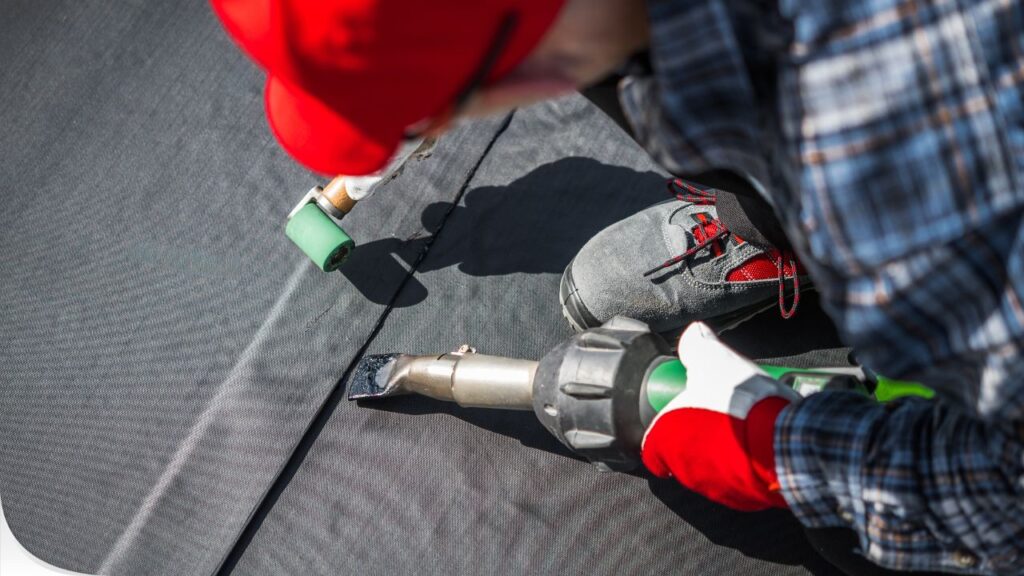
EPDM roofing has become one of the most trusted solutions for flat and low-slope roofs across residential, commercial, and industrial buildings. Known for its exceptional durability and flexibility, EPDM—short for Ethylene Propylene Diene Monomer—is a synthetic rubber membrane designed to withstand harsh weather conditions while providing long-term roof protection. As flat roofs grow in popularity due to modern architectural trends and cost efficiency, EPDM roofing continues to stand out as a practical and reliable option.
This roofing system has been in use for decades and has proven its performance in diverse climates, from extreme heat to freezing temperatures. Its ability to resist cracking, shrinking, and weather damage makes it a preferred choice for property owners seeking a low-maintenance yet highly effective roofing solution. Understanding how EPDM roofing works, its benefits, and where it performs best can help you decide if it’s the right fit for your building.
What Is EPDM Roofing?
EPDM roofing is a single-ply rubber membrane commonly used on flat or low-slope roofs. The membrane is manufactured from a blend of synthetic rubber compounds that give it outstanding elasticity and resistance to environmental stress. EPDM membranes are typically available in black or white and come in large sheets, reducing the number of seams required during installation.
One of the key reasons EPDM roofing is so popular is its versatility. It can be fully adhered, mechanically attached, or ballasted with stone, depending on the roof design and performance requirements. A professional roofing company can assess the roof structure and recommend the most suitable installation method to ensure long-lasting performance and optimal protection.
Key Features of EPDM Roofing
EPDM roofing is widely recognized for several defining features that contribute to its reputation as a dependable flat roofing material.
First, EPDM is extremely flexible. It can stretch up to 300 percent without breaking, allowing it to accommodate building movement and temperature changes. This flexibility helps prevent cracks and leaks over time.
Second, EPDM roofing offers excellent resistance to ultraviolet (UV) rays and ozone exposure. Unlike some roofing materials that degrade quickly under sunlight, EPDM maintains its integrity for decades, even in areas with intense sun exposure.
Third, the large sheet sizes used in EPDM roofing minimize seams, which are often the weakest points in any roofing system. Fewer seams mean fewer opportunities for water infiltration, enhancing overall roof reliability.
Benefits of EPDM Roofing for Flat Roofs
EPDM roofing provides numerous advantages that make it a preferred choice for flat roof applications.
Long-Lasting Durability
One of the most significant benefits of EPDM roofing is its lifespan. With proper installation and routine maintenance, EPDM roofs can last 25 to 30 years or more. The material’s resistance to cracking, tearing, and weather damage ensures dependable performance over time.
Cost-Effective Solution
Compared to other flat roofing systems, EPDM is relatively affordable. Both material and installation costs are often lower, making it an attractive option for budget-conscious property owners without compromising quality or durability.
Low Maintenance Requirements
EPDM roofs require minimal maintenance. Occasional inspections and basic cleaning are usually sufficient to keep the roof in good condition. Any minor repairs, such as punctures, are typically easy and inexpensive to fix.
Weather and Temperature Resistance
EPDM performs well in extreme weather conditions. It resists damage from heavy rain, snow, wind, and temperature fluctuations, making it suitable for various climates.
EPDM Roofing Installation Methods
There are three primary methods used to install EPDM roofing, each with its own advantages.
Fully Adhered Systems
In this method, the EPDM membrane is bonded directly to the roof substrate using specialized adhesive. Fully adhered systems offer a clean appearance and excellent wind resistance, making them ideal for exposed or high-wind locations.
Mechanically Attached Systems
Mechanically attached EPDM roofing uses fasteners and plates to secure the membrane to the roof deck. This method is often faster to install and can be more cost-effective for large commercial roofs.
Ballasted Systems
Ballasted EPDM roofs rely on the weight of stones or concrete pavers to hold the membrane in place. This approach reduces the need for adhesives or fasteners and can be an economical option for large, flat roofs with sufficient structural support.
EPDM Roofing vs Other Flat Roofing Options
When choosing a flat roofing system, EPDM is often compared with materials like TPO, PVC, and modified bitumen.
EPDM stands out for its flexibility and proven track record. While TPO and PVC offer reflective properties and heat resistance, EPDM excels in durability and ease of repair. Modified bitumen provides strong waterproofing but generally requires more maintenance over time. Each system has its advantages, but EPDM remains a top choice for those prioritizing longevity and reliability.
Environmental Impact and Energy Efficiency
EPDM roofing is considered an environmentally friendly option for several reasons. The material is recyclable and has a relatively low environmental impact during production. White EPDM membranes can reflect sunlight, reducing heat absorption and improving energy efficiency in warm climates.
Additionally, EPDM’s long lifespan means fewer roof replacements over time, reducing waste and resource consumption. These factors make EPDM a sustainable choice for environmentally conscious property owners.
Common Applications of EPDM Roofing
EPDM roofing is commonly used on a wide range of buildings, including:
-
Commercial warehouses
-
Office buildings
-
Retail centers
-
Apartment complexes
-
Residential homes with flat or low-slope roofs
Its adaptability and performance make it suitable for both new construction and roof replacement projects.
Maintenance Tips for EPDM Roofing
Proper maintenance helps maximize the lifespan of an EPDM roof. Regular inspections should be conducted to check for debris buildup, punctures, or seam issues. Keeping drains and gutters clear prevents water pooling, which can stress the roofing system over time.
If damage is detected early, repairs can often be completed quickly using EPDM-compatible patching materials. Professional inspections every few years can further ensure the roof remains in excellent condition.
Is EPDM Roofing Right for Your Property?
EPDM roofing is an excellent option for property owners seeking a durable, cost-effective, and low-maintenance flat roofing solution. Its flexibility, weather resistance, and long lifespan make it suitable for a wide variety of applications. While it may not be ideal for every roof design, particularly steep-sloped roofs, it excels in flat and low-slope environments.
Consulting with experienced roofing professionals can help determine whether EPDM roofing aligns with your building’s structural needs, budget, and long-term goals.
EPDM roofing has earned its reputation as one of the most reliable flat roofing systems available today. With its durable rubber membrane, resistance to extreme weather, and proven longevity, EPDM offers dependable protection for flat roofs across residential and commercial properties. Whether you are planning a new installation or replacing an existing roof, EPDM roofing provides a smart balance of performance, affordability, and sustainability that continues to stand the test of time.