
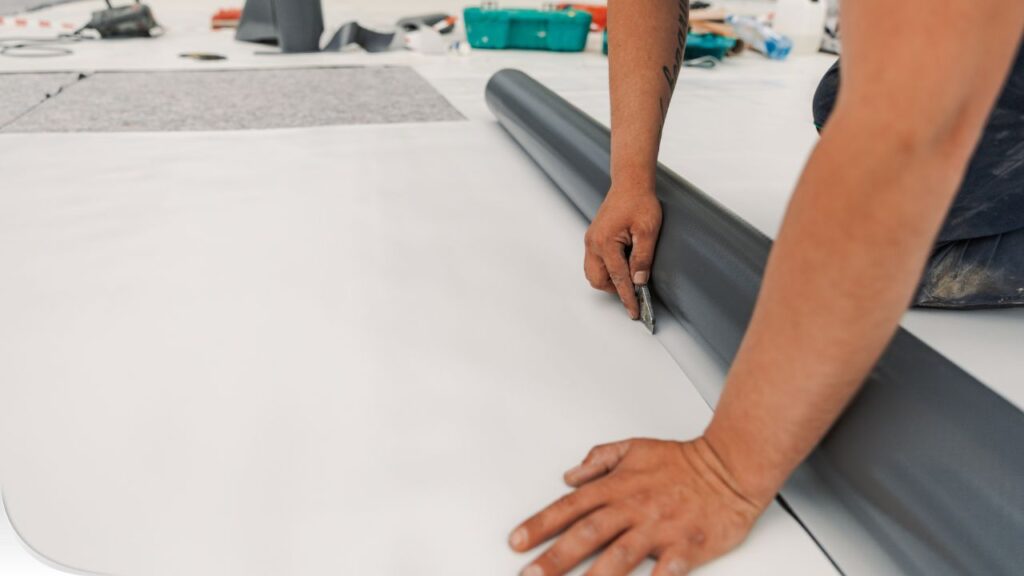
TPO roofing has become one of the most popular flat and low-slope roofing systems used in commercial and residential construction today. Short for Thermoplastic Polyolefin, TPO roofing is a single-ply membrane designed to deliver energy efficiency, durability, and cost savings. Its reflective surface and strong performance in various climates have made it a preferred option for property owners looking for modern roofing solutions.
As buildings increasingly prioritize sustainability and long-term value, TPO roofing stands out for its balance of affordability and advanced performance. Whether used on large commercial facilities or residential flat roofs, this roofing system offers dependable protection against weather, UV exposure, and moisture intrusion.
What Is TPO Roofing?
TPO roofing is a single-ply thermoplastic membrane typically made from a blend of polypropylene and ethylene-propylene rubber. The material is manufactured in large rolls, allowing for fast installation with fewer seams, which helps reduce the risk of leaks. A qualified roofing contractor can evaluate the structure, climate, and usage of a building to determine whether TPO roofing is the right fit.
TPO membranes are most commonly white or light-colored, making them highly reflective. This reflective property helps reduce heat absorption, keeping buildings cooler and lowering energy costs, especially in warmer climates. Because of these benefits, TPO roofing has become widely used in both new construction and roof replacement projects.
Key Features of TPO Roofing Systems
TPO roofing systems are designed with performance and efficiency in mind. One of their defining features is heat-welded seams. Unlike adhesive-based systems, TPO seams are fused together using hot air, creating a strong, watertight bond that enhances overall roof integrity.
Another important feature is flexibility. TPO membranes can expand and contract with temperature changes without cracking or splitting. This flexibility allows the roof to maintain its performance even during extreme weather fluctuations.
TPO roofing is also resistant to chemicals, punctures, and mold growth. These qualities make it ideal for commercial environments where rooftop exposure to grease, exhaust, or standing water is common.
Benefits of TPO Roofing
TPO roofing offers several advantages that contribute to its growing popularity.
Energy Efficiency
The reflective surface of TPO roofing helps reduce solar heat gain. By reflecting sunlight rather than absorbing it, TPO roofs can significantly lower cooling costs during hot seasons and improve overall indoor comfort.
Cost-Effective Roofing Option
Compared to other single-ply roofing systems, TPO is generally more affordable. Its lower material costs and efficient installation process help reduce overall project expenses, making it a budget-friendly solution without sacrificing quality.
Durability and Longevity
When properly installed and maintained, TPO roofing systems can last 20 to 30 years. The membrane resists tearing, UV degradation, and weather damage, ensuring long-term performance.
Environmentally Friendly
TPO roofing is fully recyclable and does not contain harmful chemicals such as chlorine. This makes it a more environmentally responsible choice compared to some older roofing materials.
TPO Roofing Installation Methods
TPO roofing can be installed using several methods, depending on the building structure and performance needs.
Mechanically Attached Systems
In this method, the membrane is secured to the roof deck using fasteners and plates. The seams are then heat-welded, creating a continuous waterproof surface. This method is commonly used for large commercial buildings.
Fully Adhered Systems
Fully adhered TPO roofing involves bonding the membrane directly to the insulation or roof deck using adhesives. This approach provides a smooth appearance and enhanced wind resistance.
Ballasted Systems
Although less common, some TPO roofs are installed using ballast such as stone or pavers to hold the membrane in place. This method requires a structurally sound roof capable of supporting the added weight.
TPO Roofing vs Other Flat Roofing Systems
TPO roofing is often compared with EPDM and PVC roofing systems. While EPDM is known for its flexibility and long history of use, it lacks the reflective surface of TPO. PVC offers excellent chemical resistance but tends to be more expensive.
TPO roofing bridges the gap by providing strong performance, energy efficiency, and affordability. Its heat-welded seams also give it an advantage in leak prevention compared to adhesive-based systems.
Ideal Applications for TPO Roofing
TPO roofing is well-suited for a wide range of flat and low-slope applications, including:
-
Commercial buildings
-
Warehouses and distribution centers
-
Retail stores and shopping malls
-
Apartment complexes
-
Residential homes with flat roofs
Its versatility makes it a practical choice for both large-scale commercial projects and smaller residential installations.
Maintenance and Care for TPO Roofs
TPO roofing systems require minimal maintenance. Routine inspections help identify debris buildup, seam issues, or minor punctures before they become larger problems. Keeping the roof clean and ensuring proper drainage will extend the lifespan of the membrane.
If damage occurs, repairs can typically be completed quickly by heat-welding patches over affected areas. Periodic professional inspections help ensure the roofing system remains in optimal condition.
Is TPO Roofing Right for Your Building?
TPO roofing is an excellent choice for property owners seeking an energy-efficient, durable, and cost-effective roofing system. Its reflective properties, resistance to weather damage, and ease of maintenance make it suitable for many flat and low-slope roofs.
However, proper installation is critical to long-term performance. Working with experienced roofing professionals ensures the membrane is installed correctly and meets manufacturer specifications.
TPO roofing has established itself as a leading single-ply thermoplastic roofing system for modern buildings. Its combination of energy efficiency, durability, and affordability makes it a smart investment for both commercial and residential properties. With proper installation and routine maintenance, TPO roofing delivers reliable flat roof protection and long-lasting performance, making it a trusted solution in today’s roofing industry.